

Going back to the days I was a kindergarten teacher. One day after the children were sent home for the day and the teachers were discussing the days events and planning ahead. I wanted a story book so my favourite co teacher told me to go up to her class since she had a great collection. So I went up the classrooms dark and a little lonely with no one there. I rummaged the cupboard for something I would like to read to the children. I pulled out a book of nursery rhymes for it looked so vintage. As I read through it a chill ran down my spine.
I was a young teacher then and was still learning things. The book brought out the real meaning behind simple nursery rhymes that we learnt as children ourselves. Up until then I had never stopped to interpret them that way. They were all dark and sinister significances. I wish I had that book but I did some research and found some dark meanings to nursery rhymes.
What fascinated me that they could have been passed down through generations and they seeped in so beautifully that we stopped to think that it could be more than just a sweet lullaby.
While nursery rhymes are often associated with innocence and whimsy, some do carry historical or darker undertones. Here are a few examples:
“Ring a Ring o’ Roses”

This rhyme is believed to have originated during the time of the bubonic plague in Europe. The lyrics describe symptoms of the illness, and the closing line, “We all fall down,” alludes to the high mortality rate during the plague.
“Georgie Porgie”
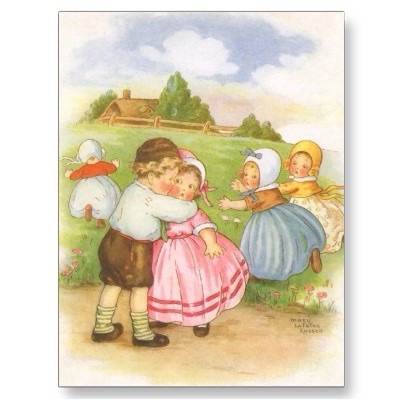
The nursery rhyme “Georgie Porgie, Puddin’ and Pie, Kissed the girls and made them cry” is said to have historical connections to George Villiers, the 1st Duke of Buckingham. He was a controversial figure whose actions allegedly caused distress among the people.
“Rock-a-bye Baby”
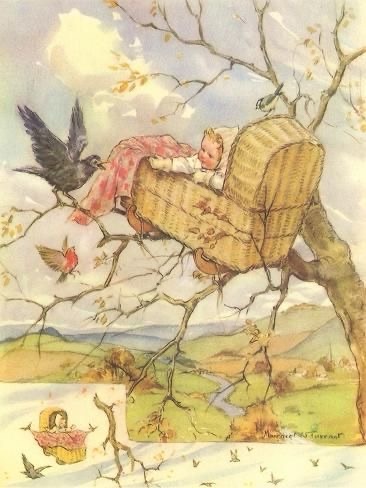
The rhyme tells the story of a baby in a cradle placed in a treetop. While it might seem harmless, some interpretations suggest that it reflects the hardships of early American colonial life, where cradles hung from tree branches to keep babies away from animals or flooding.
“Mary, Mary, Quite Contrary”

This rhyme is often thought to be about Queen Mary I of England, also known as “Bloody Mary.” The garden mentioned in the rhyme is believed to represent the many people who lost their lives during her reign.
These interpretations may vary, and some nursery rhymes’ darker origins are still debated among historians. It’s fascinating how seemingly simple rhymes can carry historical and sometimes somber meanings.
I remember when I read that book I panicked it was as though I had found a deeply buried secret. I also instantly knew we could replace these rhymes with sweeter ones perhaps. Also was mysterious the fact that we hold on to them for so long. To conclude, it’s true that a simple rhyme can be so powerful and we cannot deny the powerful message it may carry within.
Wow… That’s quite a revelation… Would not for the life of me ever imagined nursery rhymes to have sinister underlying meanings… Interesting read… and something new learnt today…
Yes I found it intriguing too. Glad you liked reading it.